
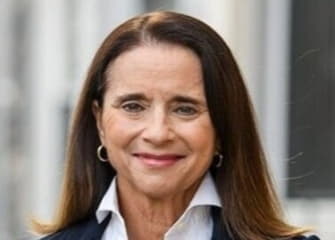
Mary Miller
The lack of reliable access to broadband internet service for many in Baltimore, particularly the poor, has profound economic and social consequences. The COVID-19 pandemic has made this painfully clear with an abrupt shift to online learning, remote work, and telemedicine. In this report, we provide a roadmap of recommendations for Baltimore to bridge the digital divide, built on existing knowledge of the city’s digital assets and the experience of other cities.
What is clear is that while more information is always useful, we already know enough to propose a plan with concrete steps. Too often, the solutions to achieve digital equity have been sought in silos – for schools, businesses, public housing, and residential areas – when what we need is a broad solution that will serve the whole city. The city needs a holistic plan to address digital equity that reaches households, the young and the elderly, and small businesses that can drive economic growth in the city.
Many do not appreciate the strength of the assets Baltimore already has in place to achieve digital equity and the opportunity for the city to capitalize on those assets. The costs of providing city-wide access appear lower than we expected; the bigger challenge is finding support for ongoing internet service costs and technical support for users. The other strong resource Baltimore has are local experts from the technology community who have much to offer this city in achieving digital equity.

